Energy Tax Relief

Climate Change Levy (CCL) Exemption

Reduce the CCL charged on energy used in qualifying mineralogical and metallurgical processes.

Bonham & Brook will identify the qualifying energy use, calculate the exemption percentage and manage the process through to its application on your energy bills.

Your business may be able to recover CCL paid in previous periods when that energy use qualified for exemption.


Climate Change Levy

What Is the CCL Exemption?

The CCL exemption is a tax relief that removes Climate Change Levy from electricity, gas and other taxable fuels used in qualifying mineralogical or metallurgical processes.

Energy suppliers normally add CCL to business energy bills.The exemption can cover all or part of an energy supply, depending on how the energy is used. Your supplier removes CCL from the part used for qualifying processes and continues to charge it on the rest.

For example, if 60% of a gas supply is used in a qualifying process, the exemption applies to that 60%.

uk-small-map
Metal Processes
Mineral Processes
technical-expert-icon

How is eligibility assessed for CCL?

The process eligibility test confirms whether your production activities are qualifying mineralogical or metallurgical processes. The energy allocation assessment identifies what proportion of each energy supply is used in those qualifying processes and is therefore eligible for exemption.

Eligible Mineralogical and Metallurgical Processes for CCL Exemption

The CCL exemption is available to businesses that carry out specific qualifying mineralogical or metallurgical processes defined by HMRC. These processes fall into two broad categories based on the type of manufacturing activity.

How the Exemption Works

The exemption applies to the proportion of your energy supply used in qualifying processes. If 60% of your gas supply is used in a qualifying metallurgical process and 40% for other site activities, the exemption applies to the 60%. Your energy supplier removes CCL from that portion and continues to charge it on the remainder.

Our specialists assess your specific production activities, review your energy consumption and site records, and calculate the exact proportion eligible for exemption at each meter or supply point.


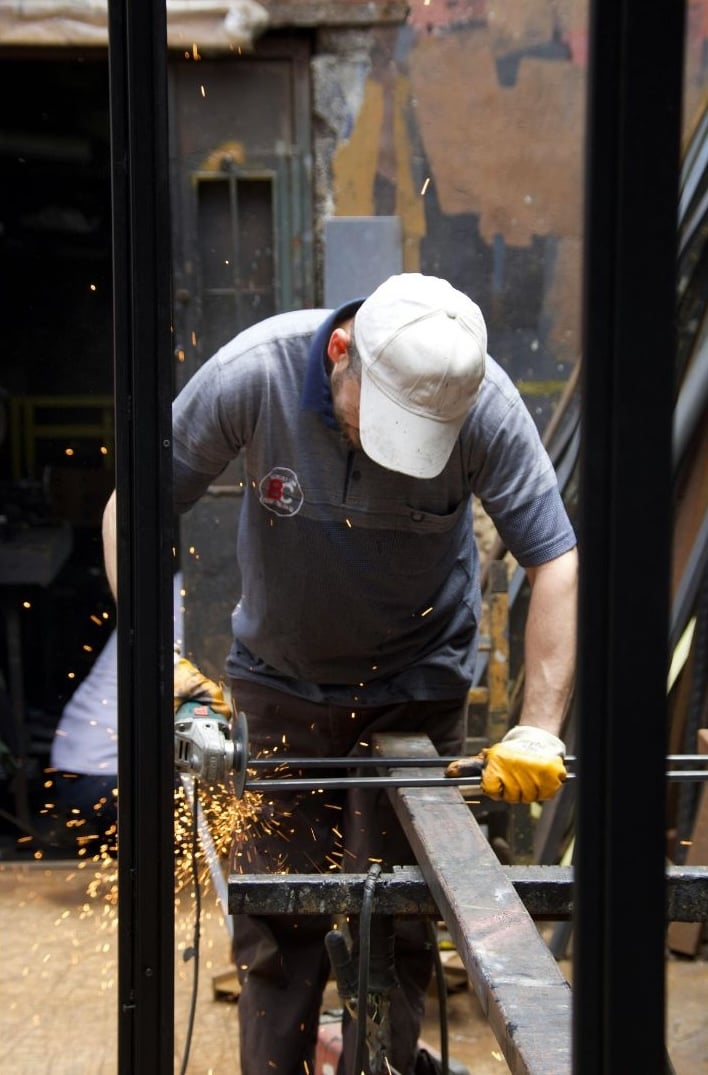
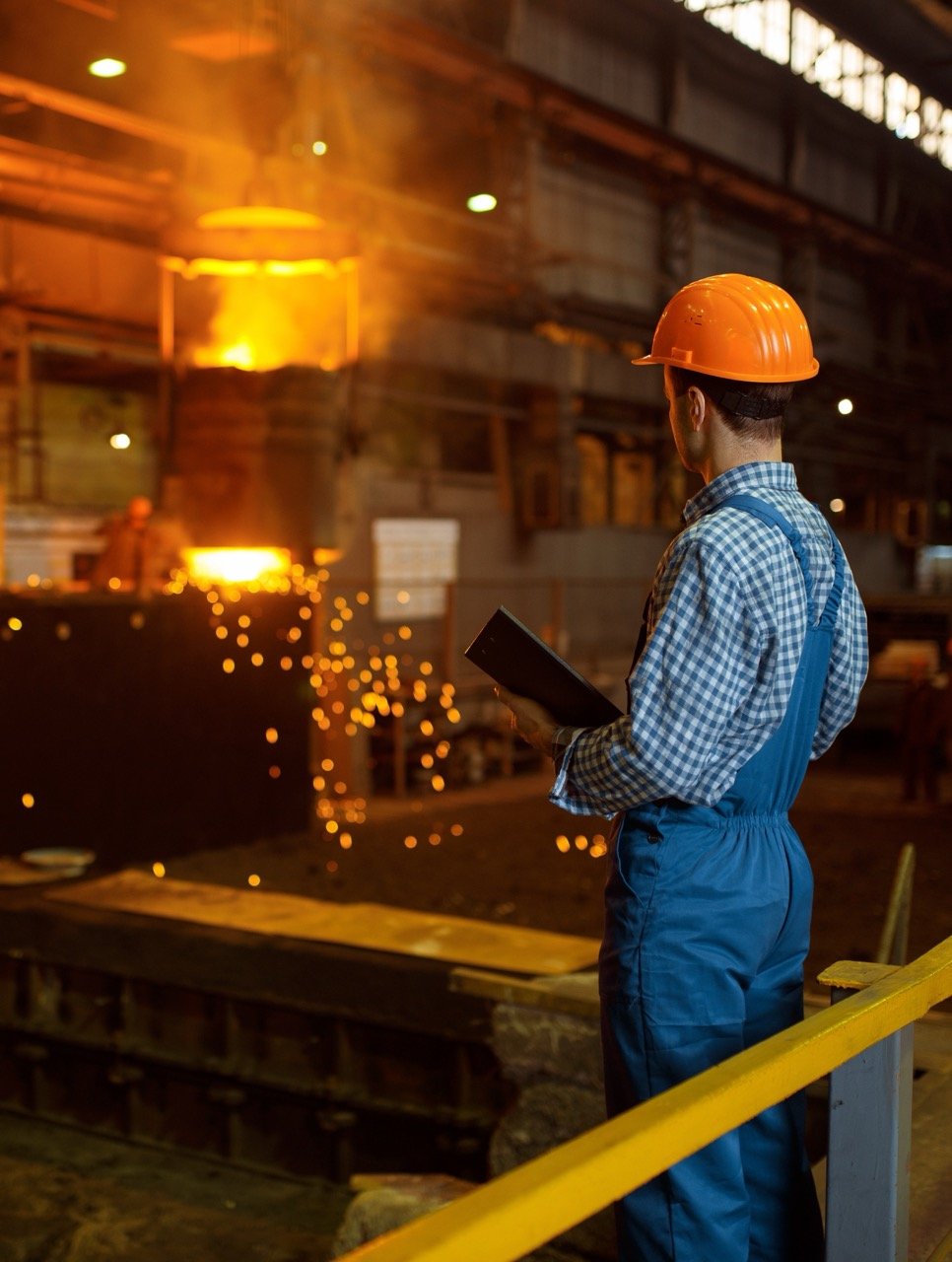
Metallurgical processes involve the production, refining, casting, forging or treatment of metals and metal products. Eligible activities include iron and steel production, non-ferrous metal refining (aluminium, copper, lead, zinc, tin and precious metals), metal casting, and metal treatments such as galvanising and electroplating.

Businesses carrying out these activities can claim the CCL exemption on energy used in the qualifying metallurgical processes at their sites.

Qualifying Metallurgical Processes:

  • Producing iron, steel or ferro-alloys
  • Manufacturing steel tubes, pipes, hollow profiles or first-processed steel products
  • Producing or refining precious metals, aluminium, copper, lead, zinc, tin or other non-ferrous metals
  • Casting iron, steel, light metals or other non-ferrous metals
  • Forging, pressing, stamping or roll-forming metal
  • Producing metal powders or products through powder metallurgy
  • Specified metal treatments (galvanising, electroplating, anodising, heat treatment)

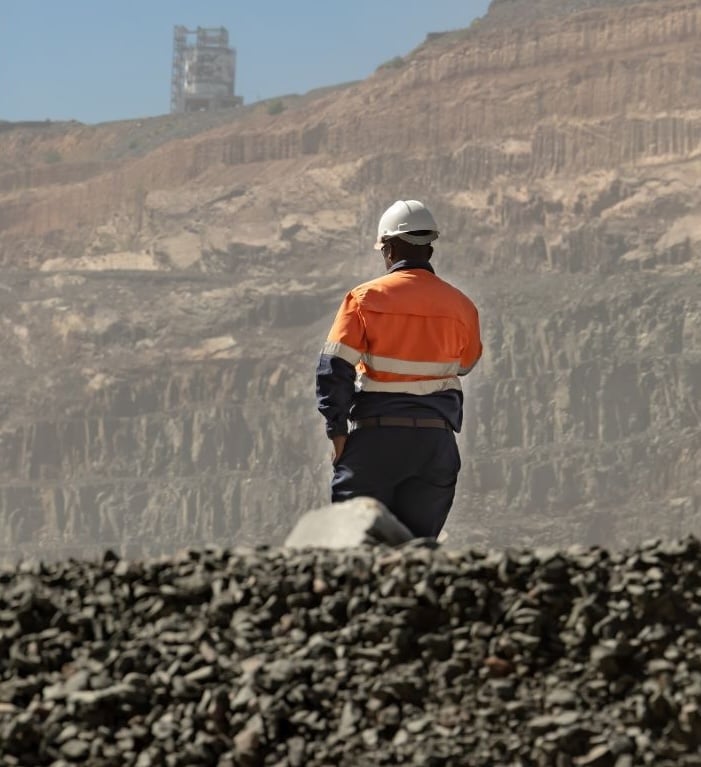
Mineralogical processes involve the extraction, processing, manufacturing or shaping of non-metallic minerals and mineral-based products. Eligible activities include glass manufacturing, ceramic production, cement and lime making, stone working, and the production of mineral-based products like asphalt and abrasives.

If your business operates any of these activities, the CCL exemption can apply to the energy used in those specific processes. The exemption removes Climate Change Levy from electricity, gas and other taxable fuels used in qualifying mineralogical work.

Qualifying Mineralogical Processes:

  • Manufacturing, shaping or processing glass (flat glass, hollow glass, glass fibres, technical glassware)
  • Manufacturing refractory products
  • Manufacturing ceramic tiles, bricks, sanitary fixtures, insulators and other ceramic products
  • Manufacturing cement, lime or plaster
  • Manufacturing concrete, mortar, plaster or fibre cement products
  • Cutting, shaping or finishing stone
  • Manufacturing abrasives, mineral insulation, asphalt products, graphite products or other specified non-metallic mineral products
Metalurgical manufacturing
Our Services

How we help businesses

A CCL exemption application requires more than confirming your business carries out qualifying processes. It must demonstrate that your production activities match HMRC's defined mineralogical or metallurgical processes, identify and allocate the energy used in those processes, and calculate the exempt proportion for each energy supply. Mixed production, shared supplies and complex energy arrangements all affect the calculation.

Our Compliance Guarantee

Our energy specialists establish a clear, defensible basis for your exemption. We verify your qualifying processes, calculate your energy allocation accurately, identify any historical CCL that can be recovered, and determine your exempt proportion before submission.

Energy People
  • Eligibility

We review your production activities to confirm they match HMRC's defined mineralogical or metallurgical processes eligible for CCL exemption.

Our assessment includes:

  • Verification of your manufacturing activities against HMRC's qualifying process list
  • Confirmation that your processes fall within mineralogical or metallurgical categories
  • Assessment of all energy types used in those processes (electricity, gas, coal, coke, LPG)
  • Identification of which energy supplies require exemption certification
Energy Allocation
  • Allocation

We identify what proportion of each energy supply is used in qualifying processes and calculate your exempt energy share.

Our analysis includes:

  • Review of your production records and energy consumption data

  • Assessment of metering arrangements at each site
  • Allocation of energy between qualifying and non-qualifying uses
  • Identification of records needed to support allocation
Energy Savings
  • Savings

Before proceeding, we calculate what your CCL exemption could save on future bills and any historical CCL that can be recovered.

Our calculation covers:

  • Annual CCL savings based on your qualifying energy consumption and current CCL rates
  • Identification of periods where your energy use qualified for exemption
  • Calculation of total retrospective recovery available
  • Projection of ongoing annual savings
Solar Installation
  • Complex Structures

When your business uses shared electricity accounts, landlord-supplied energy, or operates across multiple sites, we help correctly allocate the exempt proportion.

We advise on:

  • Mixed use at one site (qualifying and non-qualifying activities on one meter)
  • Shared supplies across multiple sites or group companies
  • Private network and on-site generation scenarios
  • Records and evidence needed to support allocation
The B&B Method

Our Advisory Process

Our structured approach identifies whether your business carries out qualifying mineralogical or metallurgical processes, calculates your energy allocation and exempt proportion, recovers any eligible historical CCL, and prepares your exemption certificate for coordination with your energy supplier.

technical-expert-icon

Recover CCL Paid in Previous Years

Your business can recover Climate Change Levy charged on energy used in qualifying mineralogical or metallurgical processes over the previous four years. A retrospective claim can cover up to four years of eligible CCL, subject to evidence of your qualifying processes, energy consumption and CCL paid during that period.

Speak with our Energy Tax Relief Specialist now to review your energy bills and calculate how much CCL you could recover from previous periods.

Meet Our Team

Dedicated Energy Experts

Your Climate Change Levy Exemption engagement is led by a team of dedicated Energy Tax Relief Specialists.

The same specialist remains responsible for your work from the initial review through to supplier implementation and beyond. You have one direct point of contact for questions, information requests and application updates.

Featured Case Study

Inside Weetabix's energy strategy

Discover how Bonham & Brook supported leading UK food manufacturer Weetabix secure valuable Energy tax relief.

Video Thumbnail

Weetabix Success story

Watch the full film
Energy Intensive Industries

Frequently Asked Questions

No, a Climate Change Agreement is not required for energy used in qualifying mineralogical or metallurgical processes. A CCA provides a reduced CCL rate under a separate form of relief.

Your supplier must process a correctly completed exemption certificate within five working days of receiving it. The exemption then applies to the stated energy account, although the first bill showing the change depends on your billing cycle.

No, you do not need to submit a new certificate each year while the existing certificate remains correct. You must review your entitlement at least annually, and a valid certificate can remain in force for up to five years.

Your existing certificate no longer applies when you change energy supplier. The new supplier must receive a new certificate before applying the exemption to your energy account.

Your exemption percentage must be reassessed by an energy tax specialist when a change affects the proportion of energy used in qualifying processes and recalculated where necessary. Any updated percentage must then be provided to your energy supplier.

Yes, we can review the qualifying processes, energy use and exemption percentage covered by your current arrangement. You will receive confirmation that the existing percentage is correct or a revised calculation identifying any CCL previously overpaid or underpaid. We can also provide a new or updated certificate if the current one is due to expire soon.


Get in Touch

CCL Eligibility Review

Book a structured, no-obligation review with a specialist. We'll assess your manufacturing activities and provide a clear eligibility recommendation.

telephone-call-icon
Confidential

All discussions are held in strict confidence.

user-rounded-icon
Complimentary

Initial eligibility consultation is always complimentary.

user-chat-icon

Request a Free BICS Eligibility Review