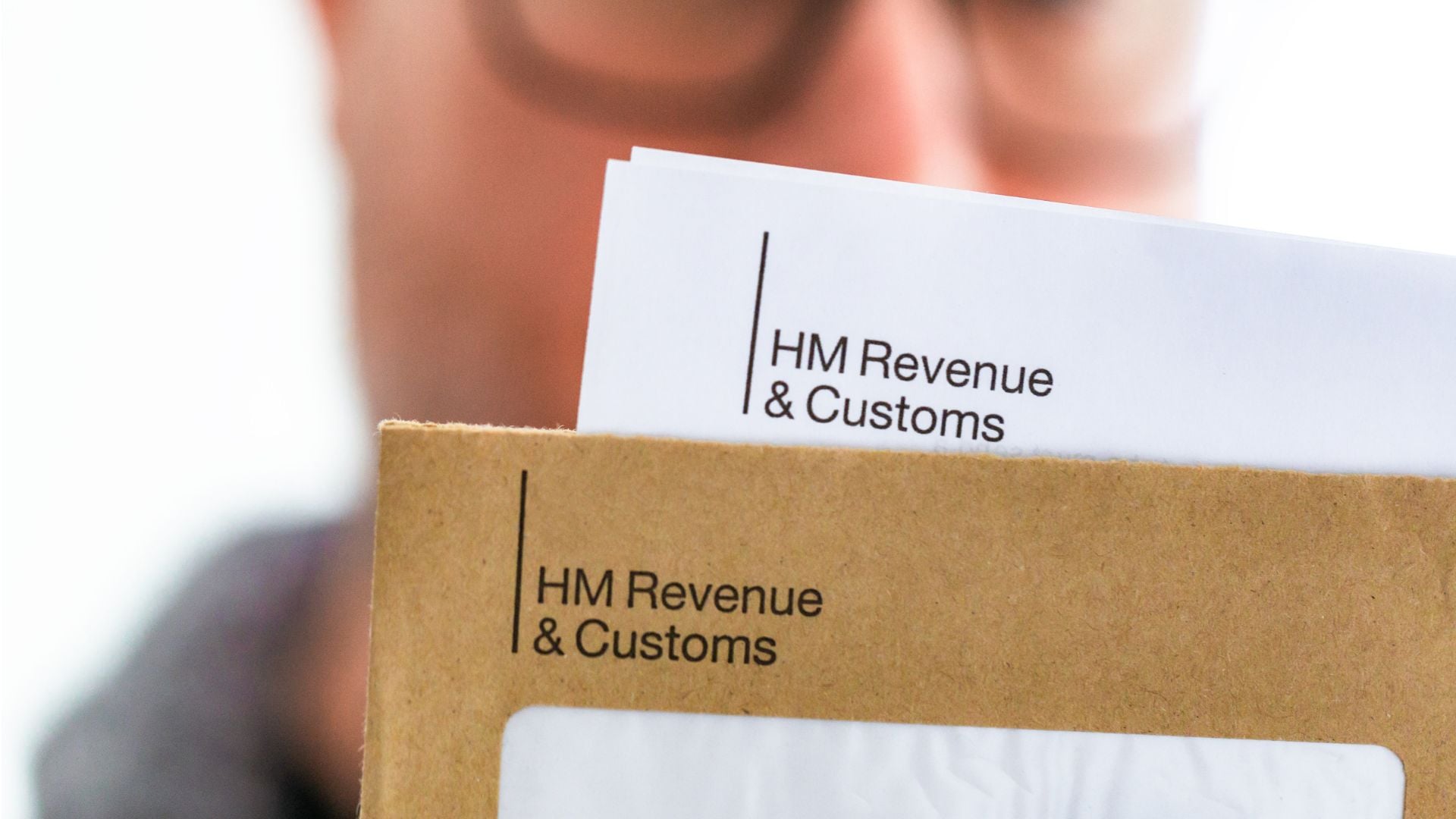
At the Budget on 28 October 2026, the government announced that R&D claims made on or after 1 April 2027 will no longer need a claim notification. It was one line among many R&D measures. For a lot of UK businesses it matters more than all the others.
We think it's the right call. Here's why, what still stays in place, and what businesses and their accountants should do about it now.
How R&D tax relief got harder for SMEs
The intention behind recent changes was right. Error and abuse in the scheme needed tackling. But the changes landed on SMEs in quick succession, and startups and smaller businesses paid the price.
- April 2023: the SME additional deduction fell from 130% to 86%, and the payable credit for most loss-making SMEs fell from 14.5% to 10%. The claim notification arrived at the same time.
- August 2023: the additional information form became mandatory for every claim.
- April 2024: the merged scheme replaced the SME scheme for most companies, and cut the value of relief for many smaller businesses again.
Alongside all of this, HMRC's compliance activity stepped up, and smaller businesses often didn't have the time or budget to respond.
What the claim notification did
Since April 2023, a company claiming for the first time, or returning after three years without a claim, has had to tell HMRC it intends to claim. The deadline is six months after the end of the accounting period.
Miss that date and the claim is invalid, however strong the R&D behind it. There is no appeal on the merits and no late route.
Why it needed to go
The rule tested a date, not the work. A manufacturer could spend a year solving a genuine engineering problem, then lose its relief because nobody told the finance team about a form. Or because R&D only came up once the six months had passed.
It also fell on exactly the businesses the relief is meant to bring in: those claiming for the first time.
HMRC's September 2026 statistics show what has happened to that group. The number of claims fell 17% to 40,325 in 2024-25. In the year before, first-time claimants fell 43%, and first-time SME claimants fell 53%. Several things drove that, and HMRC points to the additional information form as a key factor. But a rule that applies only to newcomers, and removes their claim entirely for a missed date, was never going to help.
The safeguards that stay
Removing the claim notification doesn't open the door to poor claims. The checks that look at the substance of a claim all remain:
- The additional information form still goes in before the claim, setting out the projects, the advances sought and the costs. It's being simplified from autumn 2027.
- The two-year time limit still applies. A claim has to be made within two years of the end of the period.
- HMRC's compliance checks continue, and the targeted advance assurance pilot launched in May 2026 gives SMEs a way to get certainty before they claim.
Scrutiny moves to where it belongs: what the R&D was and what it cost, not when someone filled in a form.
A second chance for missed years
For businesses that missed a notification deadline, this looks like a second chance. The change applies to claims made on or after 1 April 2027. So a period whose notification window has already closed may become claimable again, as long as the claim still falls within the two-year time limit.
The catch is timing. The earlier the year end, the shorter the window:
There's also a difference in how the money arrives. A claim made in line with the corporation tax deadline usually reduces the tax bill before it's paid. For these missed years, profitable companies have already paid the tax. A successful claim goes in as an amended return and comes back from HMRC as a cash repayment.
That matters more than it sounds. A lower tax bill tends to disappear into the year's figures. A repayment is money in the bank that a business can decide how to use: funding the next round of innovation, strengthening cash flow, or giving it room to move as the market changes.
What to do now
If you run a business
- Check your year ends. Any period from April 2025 onwards where you didn't notify is worth a second look.
- Allow time to prepare. A well-prepared claim typically takes 6 to 8 weeks. In our experience, the earlier you start the better: it gives more time to gather as much information as possible, and the shortest windows close within weeks of opening.
- Consider both years. If your 2025 period is claimable, your 2026 period often covers the same projects and people, so it can make sense to review them together.
- Don't file early. A claim made before 1 April 2027 still needs a notification where one is required.
- Keep your evidence. Project records, technical notes and cost data are what the claim will stand on.
If you're an accountant
- Look back at clients who were told they'd missed the notification for a 2025 year end. That conversation may be worth reopening.
- Start with April to June 2025 year ends. Their windows close first.
- The additional information form still has to go in before the claim, and the claim within two years of the period end.
A change for the better
The best reliefs reward the work, not the paperwork. Removing the claim notification puts R&D tax relief back on that footing, while keeping the checks that matter. It isn't a full reset: the merged scheme rates remain, and HMRC's compliance focus isn't going anywhere. But after years of adding requirements, it's the first move to make the scheme easier to access.
One caution: this was announced at the Budget and goes through Finance Bill 2026-27. It isn't law yet, and the final wording will settle exactly which missed periods benefit. We'll update this piece when it's confirmed.
Whether you're a business that thinks it missed out, or an accountant with clients who were told it was too late, we're happy to talk it through. We'll tell you whether there's a claim, and how long there is to make it.
Sources
GOV.UK: Research and development (R&D) tax reliefs, improving the customer experience
 17/11/2026
 Matthew Davidson
 Aaron Coyne
 Back





 09/11/2026
 Dom Bonham